
Attention & rest
Why Soft Fascination is Good for You
May 28, 2019 · 3 min read
Attention is a resource, and it can run out. Emails, texts, traffic, notifications, and a to-do list that regenerates overnight all draw from the same account. Researchers call what happens next directed attention fatigue, and most of us call it feeling fried.
Soft fascination is the antidote in the research literature. It describes the kind of attention that a natural setting invites: interesting enough to hold you, gentle enough that it costs nothing. Leaves moving. Water. The pattern on a variegated leaf. You are engaged, but you are not working.
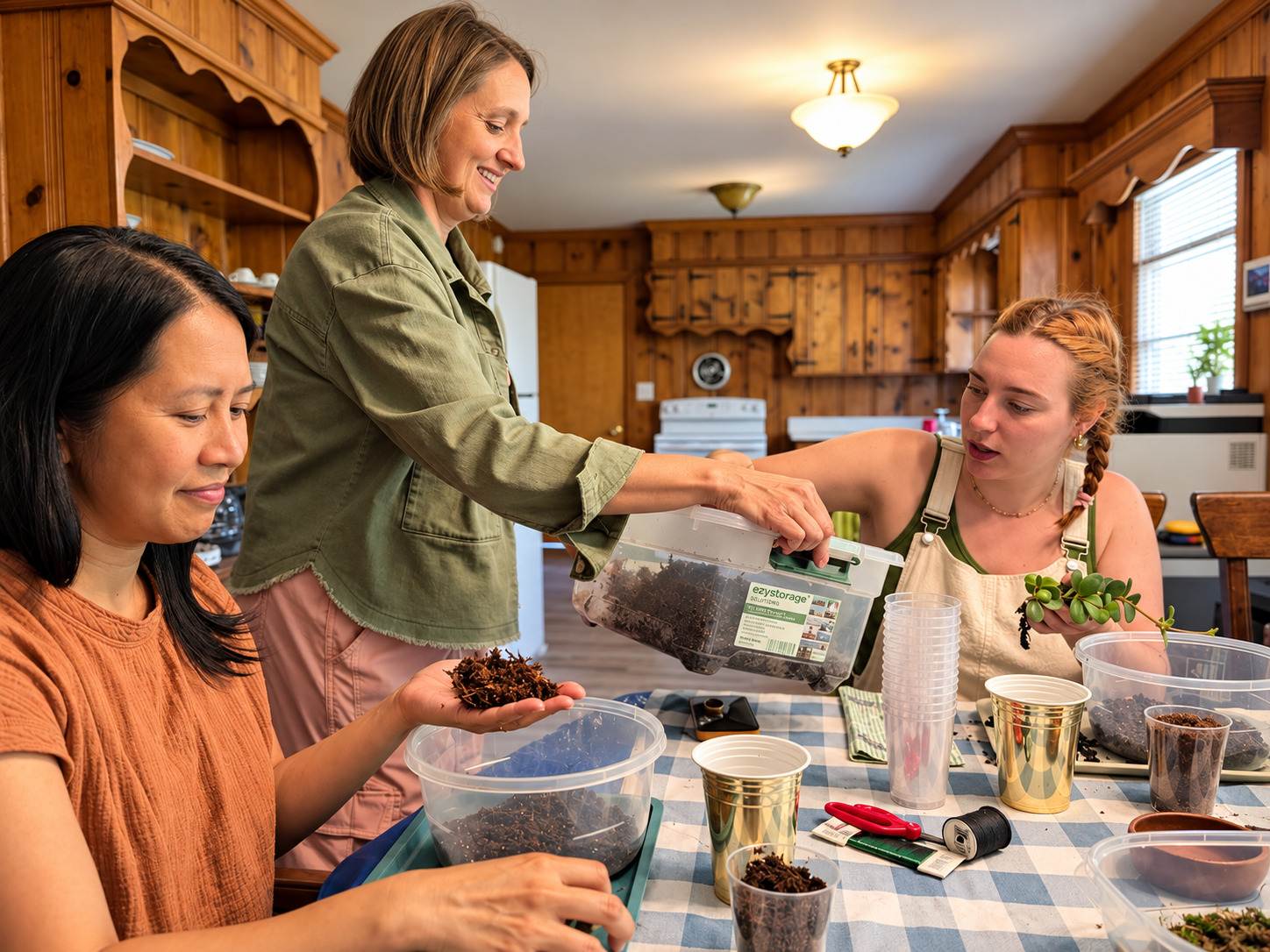
This is why a plant activity settles a room so quickly. Repotting asks for just enough focus to interrupt the spinning, and none of the vigilance a screen demands. People go quiet. Then, usually, they start talking to each other differently.
You do not need a forest for this. A single plant on a desk, looked at properly for thirty seconds, does more than most people expect.
That is the practice I keep returning to in every class: notice one living thing, closely, without needing it to do anything for you. Your attention comes back replenished.
“Attention is a resource, and it can run out.”