
Rest & seasons
A Season of Wintering For All Living Things
Feb 18, 2026 · 4 min read
I always felt like winter was something that happened to me, not something I did. The light left early, the calendar kept its pace, and I kept pushing through as if nothing had changed. This year I have come to believe something different: wintering is a season every living thing deserves. A stretch of resting, slowing down, and preserving what we have.
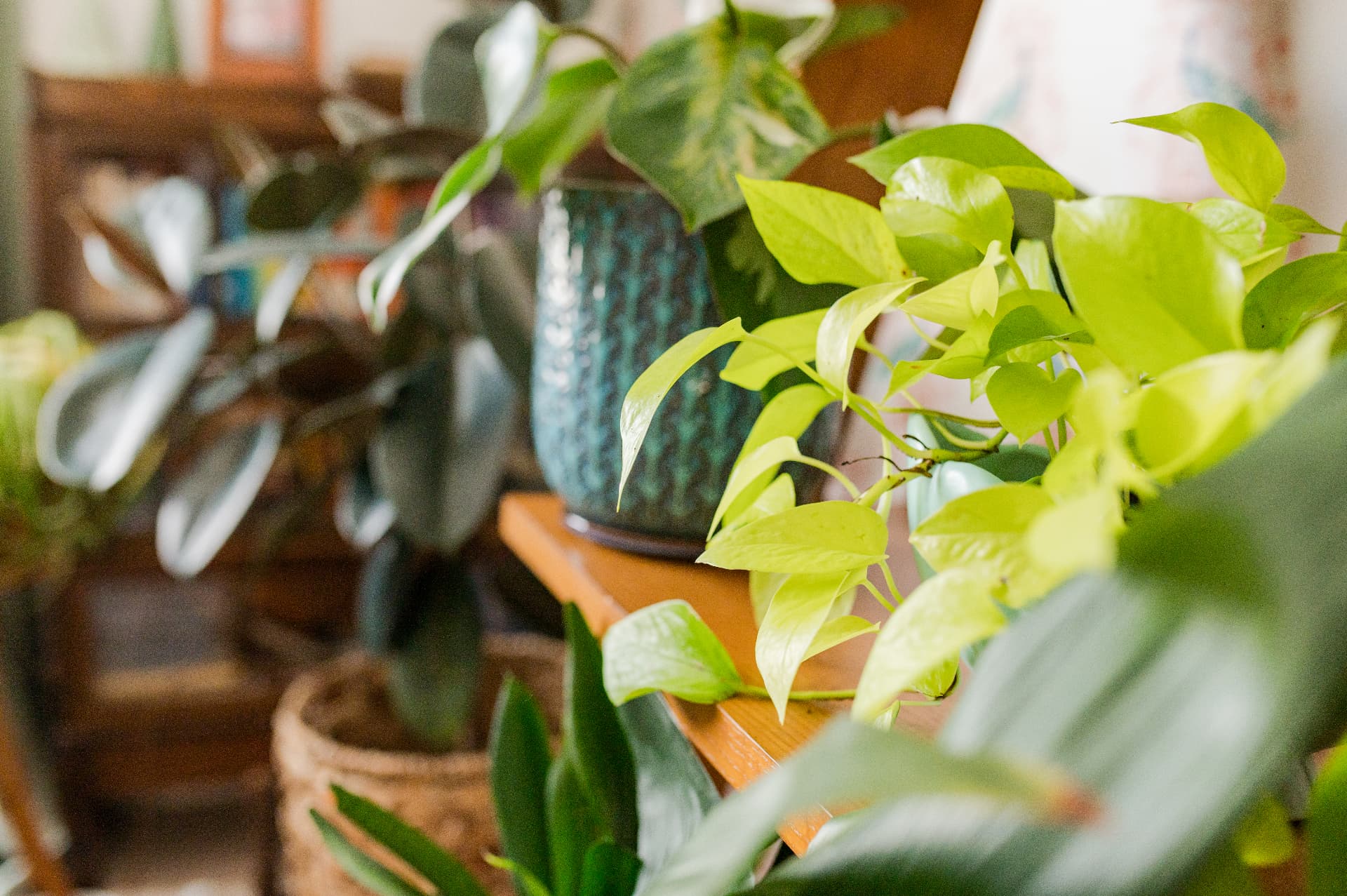
Plants understand this without being told. In low light, growth slows. Roots keep working quietly underground while nothing appears to happen above the soil. If you water a dormant plant on a summer schedule, you do not speed it up. You drown it. Dormancy is not failure. It is maintenance.
People are not so different. We ask ourselves to produce at the same rate in February as we do in June, and then wonder why everything feels heavier. What if the slower months were treated as part of the growing cycle rather than an interruption of it?
Wintering in practice is small. Fewer commitments. Earlier evenings. Watering less. Noticing more. Letting a plant, and yourself, sit in a quieter season without calling it laziness.
When spring returns, and it does, the growth that follows comes from what was preserved in the dark. Rest is not the opposite of growth. It is where growth is stored.
“Wintering is something every living thing deserves.”